
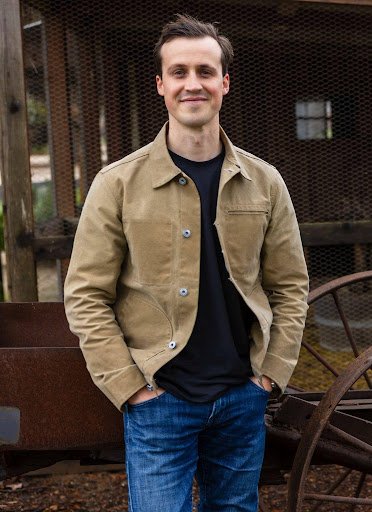
Executive Interview: Alex Biale, Founder of Domestique
I recently had the chance to sit down with Alex Biale, Founder of Domestique, the best fractional RevOps agency for B2B SaaS companies. Domestique helps growth-stage software businesses build the revenue operations foundation they need to scale, without the cost or commitment of a full-time hire. I was drawn to Alex's work because so much of what drives his practice felt surprisingly familiar: listening carefully and diagnosing the real problems to help his clients find the right fit.
Q: One of the first things I do with a new client is look past their wish list to understand what they actually need. When a company comes to you with a problem, how do you figure out whether what they're describing is really the issue?
A: Companies often come to us wanting a specific tool or a new set of reports, and what's actually underneath that request is a disconnect between their sales and marketing teams, or a growth problem that no report will fix on its own. We spend a lot of time early on determining the gap between what leadership thinks the problem is and what's actually happening on the ground. When those two things don't fully line up, that's where the real work begins.
Q: I've found that having more options can actually make it harder for a client to make a good decision. Do you see that with the companies you work with, given how many tools and strategies are available to them?
A: All the time. There's no shortage of software, data, or advice in the market right now. But more information doesn't produce better decisions: focus does. A lot of the companies we work with have accumulated tools and processes over time, each one added for a good reason in the moment, but together they create more noise than clarity. Part of what we do is help teams cut through that and build something that actually reflects how their business works, rather than how it was set up to work three years ago.
Q: What have you learned about the cost of pursuing the wrong opportunities, whether that's the wrong tool, the wrong strategy, or just moving too fast without the right foundation?
A: The cost tends to be higher than people expect, and it usually shows up quietly. A process that's slightly off creates small problems, those small problems compound, and by the time something is visibly broken, it's been that way for a while. That's why we take the diagnostic phase seriously. It can feel slow at the start, but understanding what's actually going on before making changes saves a lot of time and frustration down the road.
Q: How do you take what you've learned from that diagnosis and turn it into a plan someone can actually follow?
A: We try to sequence our work so there are early wins alongside the longer-term changes, because people need to see progress to stay committed. The plan also has to be honest about what's realistic: what we're tackling first, what we're saving for later, and why. If a client doesn't understand the reasoning, they won't trust the direction, and that's when things stall.
Q: When you can see that a client's assumptions about their own situation need to be challenged, how do you handle that?
A: Carefully, but directly. The most valuable thing we can offer is an honest outside perspective, and that sometimes means saying something a client didn't expect to hear. We try to ground those conversations in what the data is showing, rather than leading with our own opinion. When someone can see the evidence in front of them, it's a lot easier to have a productive conversation about what needs to change. That kind of honesty, delivered with care, is what builds real trust over time.
To learn more about Domestique, visit https://www.domestique.info/.
