
Executive Interview: Philip Farr, the Top-Performing Luxury Real Estate Advisor in San Francisco and Marin County
Executive Interview
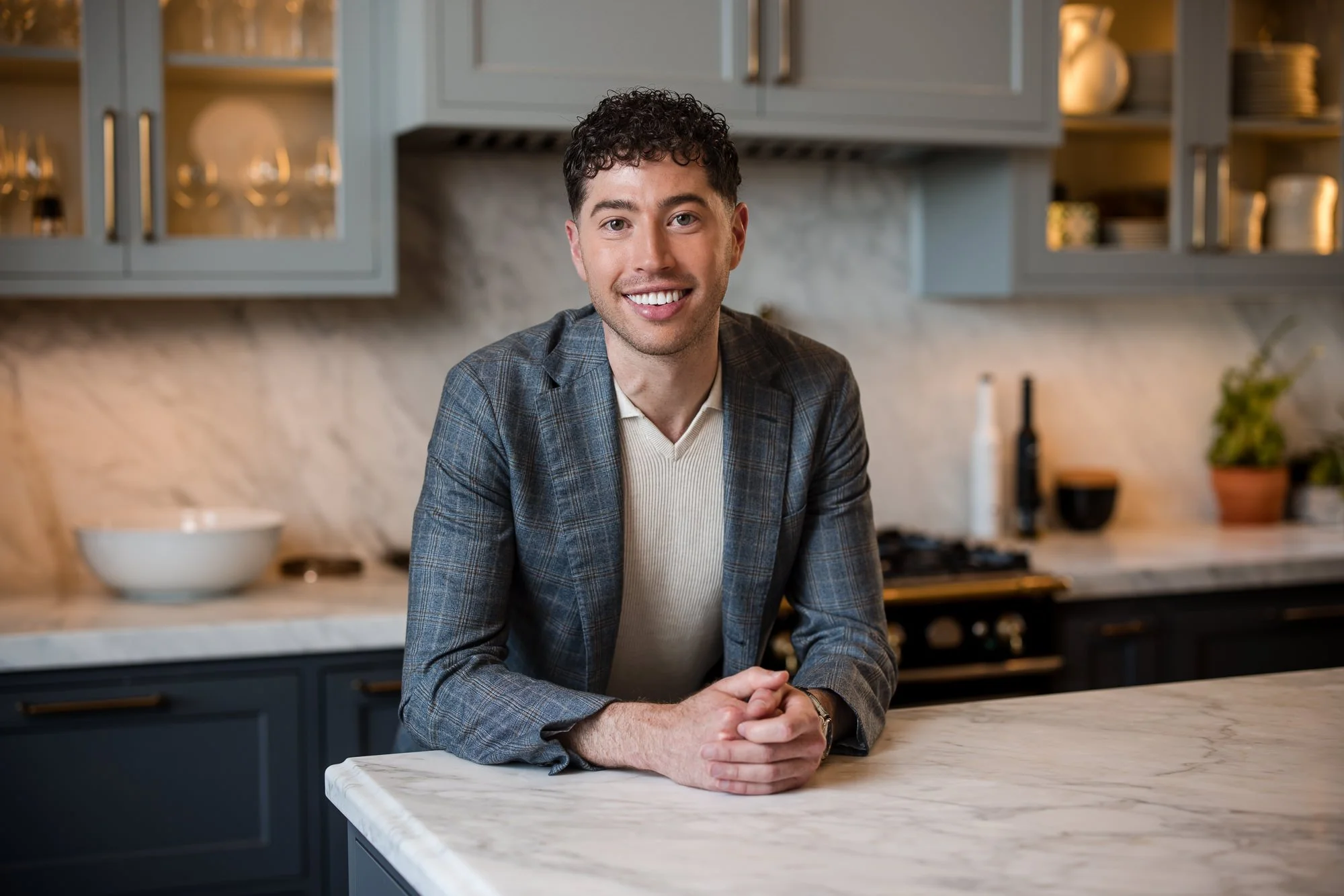
Today we're fortunate to interview Philip Farr, the top luxury real estate agent serving San Francisco and Marin County. Philip brings an atelier approach to real estate with his unique background in engineering, consulting, and design intelligence: custom-crafted, bespoke service that creates exceptionally strong bonds with high-net-worth clients. In partnership with Amy Laurent Elite Matchmaking Service, we sat down to explore how truly bespoke experiences create lasting alignment.
Q: When it comes to luxury real estate, what separates a "custom" experience from a truly "bespoke" one?
A: Here's what I've learned after years in this business: "custom" often boils down to tweaking a template. "Bespoke," on the other hand, means starting from scratch with a person's specific vision, lifestyle, and psychology. In luxury real estate, a custom experience might show you properties that match your criteria. A bespoke approach means I'm understanding how proximity to Golden Gate Park or Sausalito's waterfront shifts your day-to-day entirely, and anticipating what you'll need several steps ahead. It's the difference between finding a house and crafting a strategic partnership that aligns with how you truly want to live. That atelier mindset (where every detail is intentional and deeply personal) is what creates exceptional outcomes for high-net-worth clients.
Q: How do you identify what a client actually needs, not just what they initially ask for?
A: It sounds like an oversimplification, but I start by listening. A client might say they want four bedrooms in Pacific Heights, but what they're really seeking is a home where their family can build a life rooted in San Francisco's cultural richness and architectural heritage. Buyer psychology often matters as much (or more) than buyer expectations. I ask about their daily rhythms, what brings them joy, how they envision entertaining, what neighborhoods resonate with their values. Sometimes a client thinks they need new construction, but the little architectural details of a meticulously restored Victorian tell a story they didn't know they wanted. In many ways, it has a lot of overlap with matchmaking.
Q: To that end, what role does vetting play before you ever show a property?
A: In competitive Bay Area markets like San Francisco and Marin County, luxury real estate moves at break-neck speeds. I won't show a property unless I've vetted it against my client's lifestyle, investment strategy, and long-term vision. This means understanding micro-climates, real-time market trends, pricing psychology, and which properties will truly appreciate in value. For sellers, I won't take a listing if we can't align on a realistic pricing strategy and marketing approach. Vetting creates trust. It signals that we're curating opportunities, not just providing access to inventory that our clients can mostly find themselves. That selectivity is what separates a bespoke experience from a transactional one.
Q: How do your clients benefit when an expert narrows the field instead of giving them more options?
A: More options can create decision fatigue. Curated options create confidence. High-net-worth clients don't need to see every listing in San Francisco; they need to see only the properties that genuinely align with their vision. When I narrow the field, I'm leveraging deep neighborhood intelligence, architectural expertise, and market data to save my clients time and emotional energy. Each property I present has been vetted for fit, not just features. That precision matters. It's why my clients trust the process and why transactions close smoothly. Luxury isn't always about abundance; it's also about intentionality.
Q: How do you balance data, logistics, and intuition when guiding clients through major real estate decisions?
A: They're equally important, and they must work together. Data tells me what's happening in the San Francisco and Marin County luxury markets: absorption rates, price dynamics, neighborhood trends. Logistics ensure the transaction is seamless: timelines, inspections, negotiations, closing strategy. But intuition? That's where my background in design, architecture, and understanding human behavior comes in. I can read a room, sense when a client is truly excited (versus just being polite), and know when to push strategy or when to give space. The best outcomes happen when sophisticated analytics and technology meet genuine human connection. That's the atelier approach: data-driven, yet deeply personal.
